



High Integrity Software Conference 2026
HISC is the definitive meeting place for the high-integrity software community
AdaCore are co-sponsors, co-organizers and exhibitors at the High Integrity Software Conference.
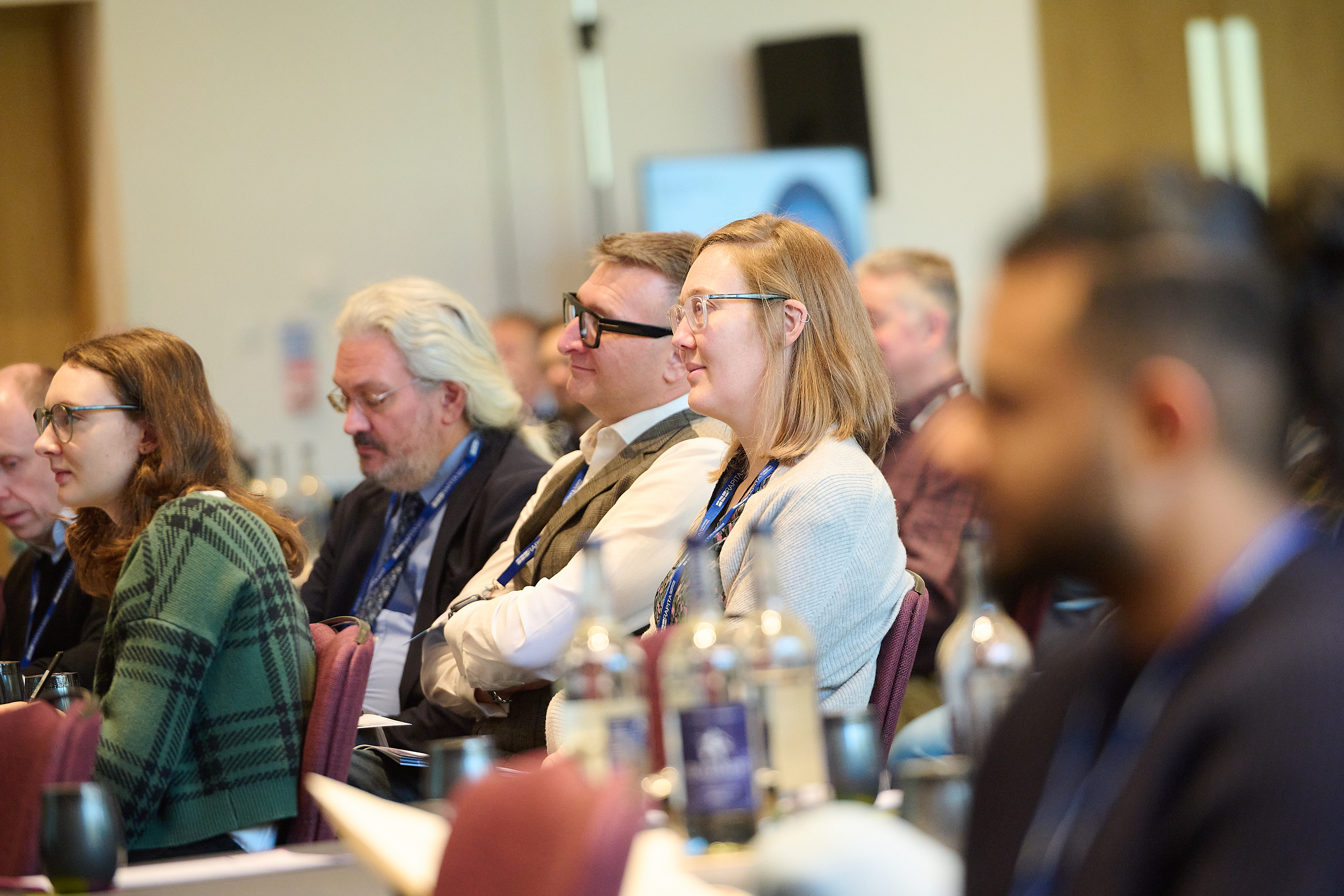
HISC is the definitive meeting place for the high-integrity software community, shaping the state of the art in critical software and systems.
From software decision makers from the UK and Europe to esteemed senior engineers in industry, government and academia - everybody is at HISC.
Join the conference and weigh in on topics such as:
- Generative AI and AI Safety
- Challenges in Large Programmes
- Cybersecurity
- Tools & Techniques
Our keynotes for 2026 are from NCSC, HS2 and Dstl. View the full programme here
Limited tickets are left - register now on the HISC website.
Agenda
10:25 - 10:40
Unifying Verification tools for SARIF Driven Automated Workflows
Vendor Showcase Session
14:40 - 15:10
Agentic AI workflows to build high-integrity software backed by formal methods

Plenary Session - Trusted AI Systems Track
Agentic AI workflows are accelerating software development in the enterprise world. Engineers drive the software development process by interacting with AI agents as they produce requirements, code, and test cases. The agentic system iterates over the code till it passes some metric of ‘good enough’, typically defined by test cases passing, maybe static analysis, or coding standard review, and the code is merged. The final code is often not even reviewed before it is merged into the main branch.
This may be fine for enterprise, but it is not fine for high-integrity software.
The premise is wrong from 3 key perspectives:
1) The implementation technologies are dangerous. Whether it is TypeScript, C, C++, or even Rust, unexpected failures can happen, and the workflows are not set up to prevent it;
2) Failure detection happens during the test phase of the deployment process. This is too late, agentic systems thrive when they can detect failure early.
3) Traceability and accountability are typically missing, or at least ill-defined
This presentation will document a workflow, using open-source technology to drive an agentic AI workflow for high-integrity software, backed by formal methods, using Ada SPARK.
The workflow starts at a high level, with numbered requirements managed by an AI agent. The agent translates these requirements into SPARK code while maintaining traceability and refines it until it passes SPARK Silver, statically demonstrating the absence of runtime errors. Another agent generates test cases and manages them to achieve sufficient code coverage by executing them in an emulated embedded environment while collecting evidence. The environment can be executed by the agent on the developer workstation or in a CI/CD pipeline. Accountability is provided by the MR/PR review process.
The combination of requirements, their linking to code and test cases, and the CI/CD platform establishes a continuous traceability chain with accountability that satisfies the needs of high-integrity systems.